
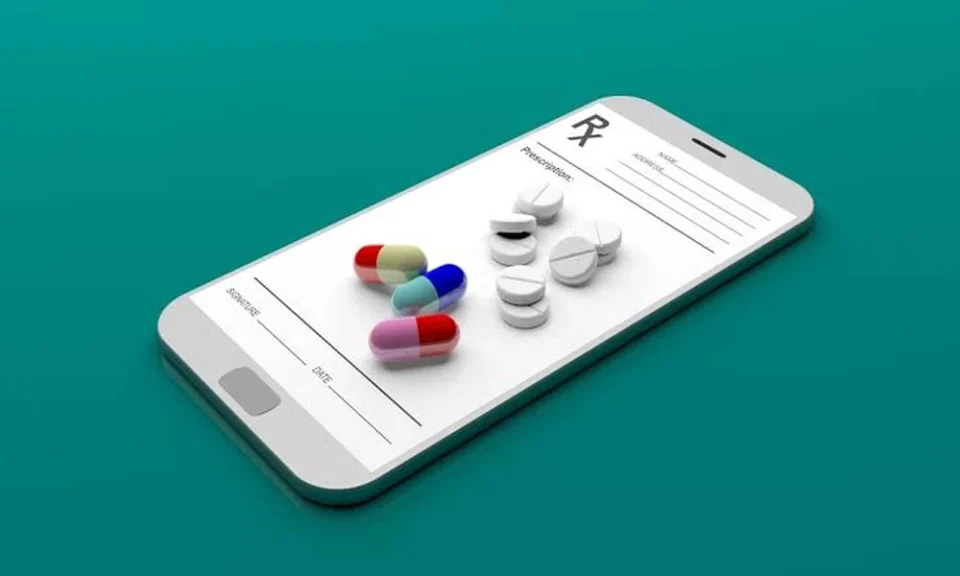
The way people access medical care in the UK has changed a lot, and not just because of the pandemic. GP surgeries were stretched long before lockdowns, waiting times were up, and patients were spending half a day on hold to book an appointment.
As a result, online prescribing services have grown. Some of that growth is genuinely useful. Some of it is, frankly, a bit sketchy. The trick is knowing how to tell the difference, and understanding what you’re actually entitled to expect from a legitimate service.
How Online Prescriptions Actually Work
The basic process isn’t complicated. You fill in a consultation form, a registered UK doctor reviews your answers, and if they decide treatment is appropriate, they issue a prescription. That prescription is either sent electronically to a pharmacy or dispensed directly, depending on the service. You don’t speak to anyone face-to-face, and for a lot of conditions, that’s completely fine.
The key word there is “registered”. Any service offering an online prescription in the UK should have doctors who are registered with the General Medical Council and should be regulated by the Care Quality Commission. That’s not a technicality worth glossing over; it’s the difference between getting actual medical advice and essentially buying medication off the internet with a form slapped on top.
Reputable services will ask thorough questions. They’ll flag contraindications. They’ll decline to prescribe if something doesn’t add up. If a service feels like it’s just rubber-stamping whatever you’ve asked for, that’s a red flag worth taking seriously.
What Can You Actually Get Online?
Repeat prescriptions for stable, long-term conditions are probably the most common use case. If you’ve been on blood pressure medication for three years and your GP surgery is booked solid for the next fortnight, an online service can be a genuinely sensible option for keeping your prescription going while you sort out a face-to-face review.
Beyond that, people use online prescribing for things like contraception, hair loss treatments, skincare medications, travel health, erectile dysfunction, and various other conditions where an in-person appointment isn’t strictly necessary. The consultation happens through a detailed questionnaire, sometimes followed up with a video or phone call if the doctor needs more information.
There are limits, of course. Controlled drugs, anything requiring physical examination, and conditions that aren’t yet diagnosed all need proper in-person care. No decent online service will try to replace your GP entirely, and you should be wary of any that seems to suggest otherwise.
The Convenience Factor, and Why It’s Not the Whole Story
It’s easy to treat convenience as the main selling point here, and yes, being able to sort a prescription from your phone on a Tuesday afternoon without taking time off work is genuinely useful. But the more important thing is continuity. A lot of people use online services to fill the gap while they’re between GPs, or during long waits for a routine appointment, rather than as a permanent replacement for NHS care.
That’s probably the right way to think about it. Online prescribing works best as one part of your overall healthcare, not as a way to sidestep the system entirely. Your NHS records still matter. Your GP still needs to know what you’re taking. Keeping those lines of communication open isn’t bureaucratic box-ticking; it’s just sensible.
Costs vary quite a bit between services. You’ll typically pay a consultation fee plus the cost of the medication, and it can add up if you’re using the service regularly for something you’d normally get on an NHS prescription. Worth doing the maths before committing to anything on a subscription basis.
A Few Things Worth Checking Before You Use Any Service
Before you hand over your health information or your card details, check the CQC registration and make sure the doctors are GMC-registered. Look at whether there’s a real way to contact the service if something goes wrong, not just a contact form that disappears into the void. And read the consultation process carefully. A good service takes your medical history seriously. A bad one just wants to get you through checkout.
Online prescribing in the UK is a legitimate and regulated option, and for plenty of people it solves a real problem. It just pays to go in with your eyes open.
