
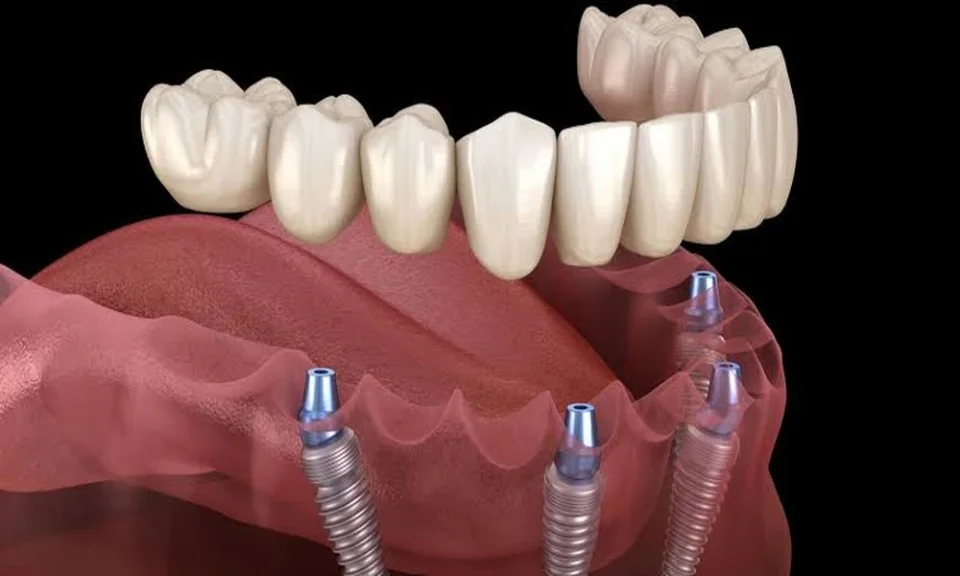
All-on-4 dental implants may be an interesting option for those who require a complete replacement for an upper or lower set of teeth. By supporting a full-arch restoration with four implants, the approach eliminates the need for several individual implants. However, a clinic’s listed pricing could not reflect the full cost. Patients can assess choices more accurately if they are aware of how the treatment is constructed.
When researching treatment options, patients often begin by looking into the all-on-4 dental implants cost to understand what they may need to budget for. However, the final amount can differ considerably based on factors such as the condition of the jawbone, the type of restoration selected, preparatory procedures, and the clinic providing the treatment. Reviewing what is included in a quoted price can help patients avoid unexpected expenses and make a more informed decision about their full-arch restoration.
2. THE INITIAL ASSESSMENT
The treatment normally starts with a thorough dental examination. Before determining whether All-on-4 therapy is suitable, the dentist may assess the gums, remaining teeth, bite, and jaw structure. Planning may also involve digital images or three-dimensional scanning. These consultations and diagnostic treatments could be priced individually or included in the bundle, depending on the practice.
3. SURGICAL PLANNING AND IMPLANT PLACEMENT
The professional cost may be affected by the intricacy of the surgical process. Even though the All-on-4 method employs four implants, their location needs to be carefully considered in order to give the replacement arch the proper support. It may sometimes be necessary to remove existing teeth that cannot be maintained. The cost of therapy may consequently vary depending on the patient’s general oral health and the complexity of the operation.
4. TEMPORARY TEETH DURING HEALING
Patients may be given a temporary set of teeth following implant placement to allow the treatment region to recover. This enables them to continue their regular activities until the long-term healing is finished. Clinics may differ in the temporary prosthesis’s material and design. Patients should verify if this transient phase is covered by the offered price or if it is considered an additional charge.
5. PERMANENT RESTORATION OPTIONS
An essential component of the total cost is the final restoration. It is created specifically to accommodate the implants and offer a useful set of teeth. Various materials may be chosen based on budget, strength, durability, and aesthetics.
6. LOCATION AND PRACTICE OVERHEADS
Treatment costs may vary depending on a dentist’s location. Larger cities may have more expensive facilities, personnel, equipment, and laboratory services for clinics. The practice’s amenities may also have an impact. The cost of therapy may include specialist equipment, advanced imaging technologies, and dedicated implant services.
7. AFTERCARE AND FUTURE EXPENSES
After the permanent teeth are fitted, the financial planning should continue. Maintaining the implants and surrounding tissues can be aided by routine exams and expert cleaning. While some clinics charge for visits individually, others offer a period of follow-up treatment.
8. CONCLUSION
The total cost of all-on-4 dental implants is impacted by the complete treatment process, not only the four implants utilised in surgery. The ultimate cost may include assessment, surgical complexity, temporary teeth, the final restoration, clinic facilities, and aftercare. A thorough quote from a licensed dentist lets patients compare treatment alternatives based on total value rather than just cost and helps them comprehend what they are paying for.
