
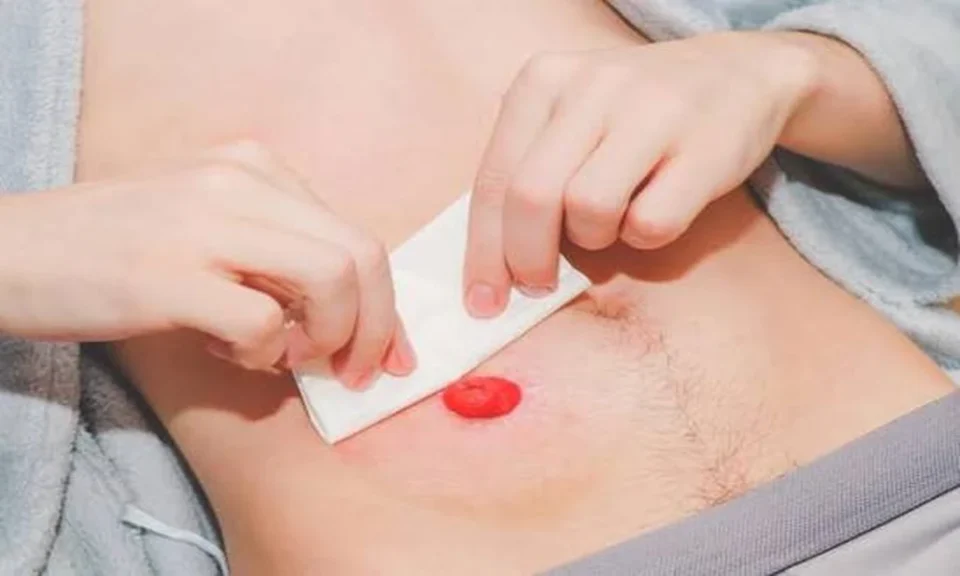
Nobody really talks about stoma bags at dinner parties. Fair enough. But for the roughly 200,000 people in the UK living with a stoma, choosing the right appliance isn’t a minor admin task – it’s something that shapes their entire day. Comfort, confidence, the ability to get on a bus without quietly panicking. These things matter enormously, and yet a lot of people stick with whatever they were first given in hospital without realising there are other options.
Getting a stoma is already a lot to process. Whether it followed bowel cancer, Crohn’s disease, colitis, or something else entirely, the adjustment period is genuinely hard. The practical side of things – working out routines, understanding output consistency, figuring out what you can eat – takes up so much mental energy that researching different bag types often falls by the wayside. Which is a shame, because the difference between a bag that suits you and one that doesn’t is… significant.
What People Actually Want From a Stoma Bag
Discretion is usually top of the list. Most ostomates will tell you that the fear of noise, odour, or visible bulging under clothing is what holds them back from doing things they used to love. Swimming. Going to the gym. Wearing fitted clothes. These aren’t vain concerns – they’re about feeling like yourself again.
Skin health comes a close second. Leaks and poor adhesion don’t just cause stress in the moment; they lead to peristomal skin problems that become their own issue to manage. A bag that stays put, that has a seal you can trust, takes an enormous amount of background anxiety off the table.
And then there’s fit. Stomas aren’t standardised (obviously), and neither are the bodies around them. Soft, flexible backing can make a real difference for people who are active or who have contoured abdomens. A rigid flange that doesn’t adapt to movement is going to cause problems.
The Confidence Be Range From Salts Healthcare
Salts Healthcare have been making stoma products in Birmingham since 1927, which gives them a fair amount of accumulated knowledge about what ostomates actually need. Their Confidence Be range is one of the products that tends to come up a lot in stoma support groups and online communities – and not in a sponsored-post kind of way, more in a “I switched to these and honestly wish I’d done it sooner” kind of way.
The Salts Confidence BE stoma bags are designed around a soft, convex baseplate that moulds to the body’s shape rather than sitting rigid against it. The idea is that this helps maintain a secure seal even during movement, which is exactly what you want if you’re not planning to spend your life on the sofa. The bags themselves are made from a soft, skin-toned material that reduces noise and sits flat under clothing. Worth knowing if that’s been a worry for you.
They come in both one-piece and two-piece options, which matters because ostomates have genuinely different preferences about how they like to manage changes. Some people find two-piece systems easier to deal with at work or when out; others prefer the simplicity of a one-piece. Having the choice is useful rather than just a tick-box exercise.
Finding What Works For You
The thing is, there’s no universally “best” stoma bag. What works brilliantly for one person can be a disaster for another depending on stoma type, position, output, activity level, and a dozen other factors. Colostomy bags and ileostomy bags have different requirements. People with a stoma sited near a skin fold need something different from someone with a flush stoma.
This is why stoma nurses exist and why they’re so valuable. If you’ve been getting on fine with your current bag but secretly wondering whether things could be better, it’s genuinely worth requesting a review. Most NHS trusts have specialist stoma care nurses and many manufacturers, including Salts, offer free samples so you can try before committing.
Stoma life doesn’t have to be defined by compromise. Plenty of people with stomas run marathons, travel, swim, date, and get on with things in a way that would have seemed impossible in those early post-surgery weeks. The equipment you use is a part of that – not the whole story, but not nothing either.
