
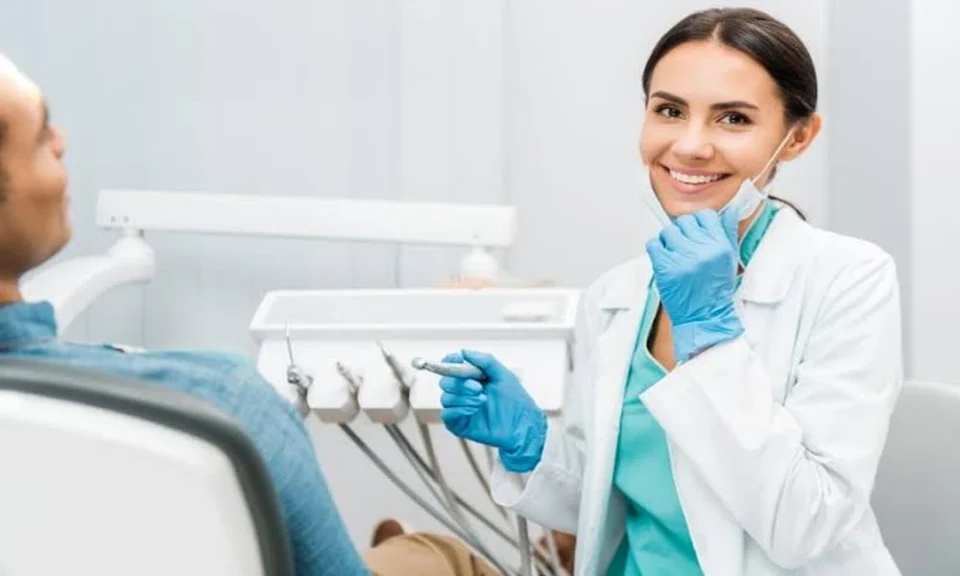
Getting everyone to the dentist can feel like one more thing on a list that already has too much on it. School forms, work schedules, sports practice, sick days, groceries, bills. That is one reason many families look for a general dentist in Homer Glen who can make care feel simple and manageable. Dental care often gets pushed back because no one is in pain today, and that makes it easy to wait. Then months pass, and a simple cleaning turns into a cavity, gum trouble, or a child who is suddenly nervous because the visit feels unfamiliar.
That is why many households do better when they treat checkups as a shared routine instead of a last minute fix. Routine family dental visits help you stay ahead of problems, lower the chance of surprise treatment, and make oral care feel normal for kids and adults alike. A family dentist can track changes over time, spot issues early, and make appointments simpler to manage when everyone is seen in one place.
Routine dental care catches small problems before they grow
A tiny cavity rarely stays tiny. Mild gum irritation can turn into bleeding, soreness, and deeper infection if it keeps getting ignored. Children may not mention tooth sensitivity because they do not have the words for it, and adults often put off their own care while focusing on everyone else. That pattern is common, and it usually gets expensive fast.
Regular visits give your dentist a chance to find issues early, when treatment is easier and less stressful. Cleanings remove plaque you cannot fully handle at home, even with solid brushing habits. Exams can reveal enamel wear, bite changes, early decay, and gum disease before those problems interrupt eating, sleeping, or school and work.
The numbers support the habit. The CDC tracks dental visit patterns in the United States, and preventive care remains a key part of staying on top of oral health rather than reacting after pain starts.
Children learn that dental visits are normal, not scary
Kids notice everything. If dental care only happens when someone has a toothache, they connect the dentist with pain and stress. If they see parents and siblings going in for routine cleanings, asking questions, and leaving without drama, the whole experience feels more ordinary.
That matters more than many parents realize. Fear often starts with the unknown. A child who knows the office, the sounds, and the faces has less reason to panic. Even better, they start to understand that brushing, flossing, and checkups are just part of taking care of themselves, the same way baths and bedtime are.
The CDC offers practical oral health tips for children that support what happens in the dental chair, which makes home routines easier to reinforce.
One dental home makes family scheduling easier
Managing care across multiple offices creates friction. Different paperwork, different records, different calendars, and repeated explanations about allergies, medications, or habits all add up. When your household uses one practice for ongoing care, there is less to juggle.
A family dentist can often coordinate appointments close together, keep records in one place, and notice patterns that might otherwise get missed. If one child has crowding, another grinds their teeth, and a parent shows signs of gum recession, that full picture helps with planning. You spend less time repeating your story and more time getting care that fits your family’s actual needs.
Preventive visits can reduce surprise costs
Many families delay checkups to save money, and that makes sense when budgets are tight. The trouble is that untreated dental problems tend to cost more, not less. A cleaning and exam are usually easier on your wallet than fillings, crowns, extractions, or emergency visits.
Picture a child with a small cavity that no one can see yet. Six months later, that tooth hurts during dinner. Now you are dealing with a more involved appointment, time off work, school disruption, and a child who is upset before they even sit down. The same pattern hits adults too, especially when mild gum disease is allowed to progress.
Family dentistry benefits are not only about convenience. They also include a more predictable approach to care, which helps many households plan around both time and cost.
Shared visits support better habits at home
It is hard to ask kids to floss if they never see anyone else doing it. It is just as hard for adults to stay consistent when everyone’s routine is scattered. Families tend to do better when oral care becomes a group norm instead of a solo effort.
After a routine visit, everyone has the same fresh reminder. Replace the toothbrush. Keep sugary drinks in check. Pay attention to bleeding gums. Follow up on sealants, fluoride, or orthodontic concerns. The dentist’s advice lands better when the whole household hears a version of the same message.
Research also shows stronger attention to pediatric oral care across healthcare settings. The National Institute of Dental and Craniofacial Research reports that dental visits are increasing with more support for pediatric providers, which reflects a wider push to catch concerns earlier in children.
Consistent family dental checkups create a clearer long term record
Teeth change slowly, and that is exactly why routine care matters. A dentist who sees your family over time can compare photos, X-rays, gum measurements, and bite patterns from one visit to the next. That record helps spot gradual changes that are easy to miss when appointments are irregular.
This is especially useful for growing children, teens with orthodontic needs, adults with restorations, and older relatives managing dry mouth, gum recession, or tooth wear. Regular dental visits for families create continuity, and continuity usually leads to better decisions.
Routine care compared with delayed dental visits
| Situation | Routine Dental Visits | Delayed Dental Visits |
|---|---|---|
| Small cavity | Often found early and treated simply | May grow into pain, infection, or a larger filling |
| Child anxiety | Familiar office and predictable care reduce fear | First visit may happen during pain, which raises stress |
| Family scheduling | Appointments can be grouped and tracked more easily | Care becomes reactive and harder to coordinate |
| Costs | More predictable preventive spending | Greater chance of surprise treatment costs |
| Home habits | Shared reminders support brushing and flossing | Inconsistent care often leads to inconsistent routines |
Simple steps that make family dental care easier to keep up with
Book everyone before you leave the office. The easiest appointment to keep is the one already on the calendar. If possible, line up same day or back to back visits so you are not rebuilding the plan later.
Create one home system for oral care. Keep toothbrushes, floss, and fluoride toothpaste in easy reach. Set the same morning and evening routine for the household. Children follow what they see more than what they are told.
Use one provider for continuity when it fits your family. A family dentist who treats both children and adults can simplify records, recommendations, and follow up. That consistency reduces confusion and helps care feel less fragmented.
When your family handles dental visits together, the whole process usually becomes less stressful, less reactive, and easier to maintain. Staying current with preventive care protects more than teeth. It protects your time, your budget, and a lot of avoidable worry. If it has been a while, schedule your family’s next dental checkups and get everyone back on steady ground.
