
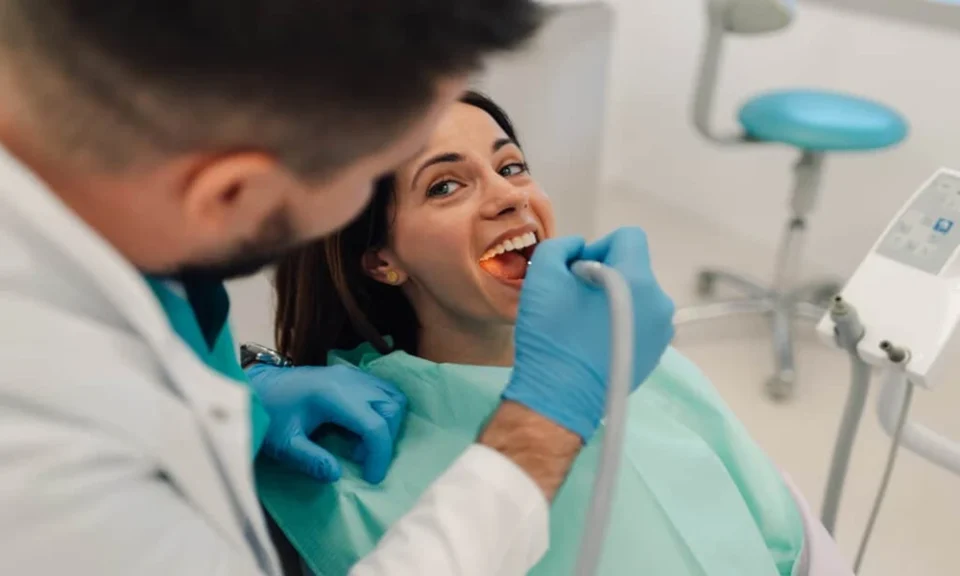
You left the appointment thinking you were done, then your dentist in Alexandria, VA asked you to come back. That can feel frustrating, expensive, and a little worrying all at once. Most people hear “follow up visit” and immediately wonder if something serious was found, or if the first appointment missed something. In many cases, a return visit is simply the safest way to watch a problem, finish treatment, or make sure your mouth is healing the way it should.
A dentist follow up visit is often less about bad news and more about timing. Some dental issues change fast, some treatments need to be checked, and some symptoms do not tell the full story in one appointment. When your general dentist asks to see you again, it usually means they want to prevent a small issue from turning into a painful or costly one.
A Follow Up Visit Often Protects You From Bigger Dental Problems
One common reason for a second appointment is that your dentist saw something that needs monitoring, but not immediate major treatment. A small cavity, early gum irritation, or a sore spot inside the mouth may not call for urgent work that same day. It still deserves attention. Waiting too long can turn a simple fix into a root canal, extraction, or gum treatment.
Gum problems are a clear example. Early inflammation can look mild, especially if you are not in pain, but bleeding gums, swelling, and deepening pockets can point to disease that gets worse quietly. The National Institute of Dental and Craniofacial Research explains how gum disease can progress and damage the tissues that support your teeth. A follow up gives your dentist a chance to measure changes and respond before that damage spreads.
Your dentist may also want a second look at a sore, lump, or patch that has not healed. Many mouth irritations are harmless, often caused by cheek biting, a rough tooth edge, or a denture rubbing the same place. Some need closer attention if they linger. The same institute notes the warning signs linked to oral cancer, which is one reason dentists do not like to ignore unusual tissue changes.
Healing After Dental Treatment Needs To Be Checked
If you recently had a filling, crown, extraction, deep cleaning, or other procedure, your dentist may want to confirm that healing is on track. Pain that fades is a good sign, but it does not always tell the full story. A bite may still be off, a crown may need a small adjustment, or extraction tissue may be healing slower than expected.
This matters more than people think. A bite that feels “slightly weird” can lead to jaw soreness, headaches, or a cracked restoration if it is left alone. A tooth treated for decay can stay sensitive for a short time, but sharp pain with chewing may signal that the nerve is more irritated than expected. A return visit catches those problems early, often with a simple adjustment instead of a bigger repair later.
Symptoms Sometimes Need Time To Reveal The Real Cause
Dental pain can be tricky. Pressure, throbbing, temperature sensitivity, and pain that comes and goes do not always point to one clear cause during the first exam. Your dentist may take X rays, test the tooth, and still need time to see whether the problem settles, spreads, or becomes more defined.
For example, a tooth may seem mildly irritated after dental work, but a week later the nerve may calm down or prove that it needs root canal treatment. A sore jaw may come from clenching, a bite problem, or an infected tooth. A white patch may fade after the source of irritation is removed, or it may stay put and need more testing. That is why reasons for a dental follow up often come down to watching how your mouth behaves over time.
Medication, Infection, And Swelling Can Change Fast
If you were treated for infection, swelling, or an abscess, your dentist may want to make sure the response is real and not temporary. You may start feeling better after drainage, antibiotics, or treatment, but infection can return if the source is still active. In some cases, swelling drops quickly while the tooth itself remains unstable.
Oral infections can also affect more than your mouth. MedlinePlus explains how a tooth abscess can spread and become serious if left untreated. A follow up helps confirm that the infection is resolving and that the next step, whether that is root canal therapy, extraction, or further cleaning, happens at the right time.
A General Dentist May Need To Track Changes Before Referring You
Sometimes your dentist is gathering enough information before sending you to a specialist. That is not stalling. It is careful decision making. A small crack may not show clearly on the first visit. Gum recession may need measurements at two different points in time. A child or adult with bite changes may need another exam before an orthodontic or oral surgery referral makes sense.
This is one reason many follow up dental visits are part of a plan, not a sign that something was missed. Your general dentist is often trying to avoid unnecessary treatment while still protecting you from delay.
Waiting Versus Returning For A Dental Follow Up
| Situation | If You Wait | If You Return As Recommended |
|---|---|---|
| Mild tooth sensitivity after treatment | Could settle, or worsen into nerve pain | Bite or restoration can be adjusted early |
| Bleeding or swollen gums | Gum disease may progress quietly | Inflammation can be measured and treated sooner |
| Sore spot or patch in the mouth | Irritation may persist without explanation | Healing can be confirmed or further testing planned |
| Recent tooth infection or abscess | Infection can return or spread | Recovery can be checked and next treatment scheduled |
| Crown, filling, or extraction follow up | Small issues can turn into bigger repairs | Healing and fit can be corrected quickly |
Three Steps To Take Before Your Next Dental Follow Up
Track what you feel. Write down when pain happens, what triggers it, and whether it is getting better or worse. Cold sensitivity, pain with chewing, bad taste, swelling, and bleeding patterns all help your dentist narrow down the cause faster.
Do not “test” the problem tooth. People often poke sore gums, chew on the tender side to see if it still hurts, or delay care because the pain faded for a day. That usually makes things murkier. Eat carefully, keep the area clean, and follow any aftercare instructions exactly.
Call sooner if symptoms change. A scheduled follow up does not mean you should wait through severe pain, fever, spreading swelling, trouble swallowing, or a loose restoration. Those signs deserve earlier attention from a general dentist.
A Return Visit Can Save You Time, Pain, And Money
Coming back to the dental office is rarely anyone’s idea of a good week, especially if you were hoping the issue was over. Still, a follow up visit is often the moment when a manageable problem stays manageable. It gives your dentist a clearer picture, protects your long term oral health, and lowers the chance that you will need more invasive treatment later.
If your dentist recommends a return visit, try to see it as a safeguard, not an inconvenience. Staying ahead of change is one of the smartest parts of dental care.
