
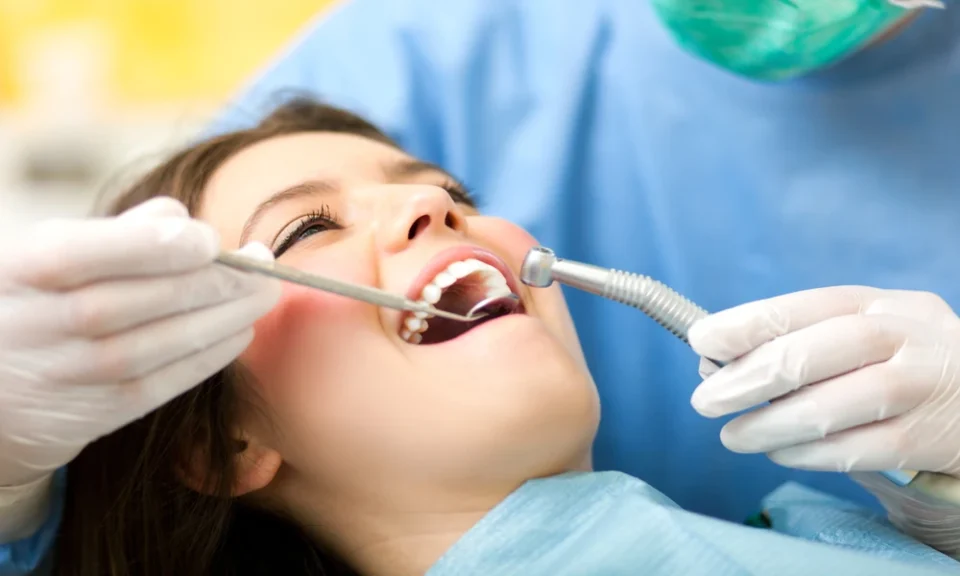
You may have noticed your teeth looking a little more yellow, feeling more sensitive, or seeming rough along the edges. Maybe cold water stings now, or a glass of juice leaves your mouth feeling off. That creeping worry is familiar for a lot of people, especially when the changes are slow enough to second guess. Enamel erosion often starts that way, and some people exploring clear aligners in Lansing may become even more aware of changes in their teeth. It does not usually arrive with a dramatic warning. It builds over time, and once enamel is gone, your body does not grow it back.
That is where a general dentist matters. How General Dentists Help Protect Against Enamel Erosion comes down to early detection, practical treatment, and daily habits that actually fit your life. A general dentist looks for the source, whether it is acid, grinding, dry mouth, diet, reflux, or brushing habits, then helps you slow the damage before it turns into pain, cracks, or decay.
General dentists catch enamel erosion before it becomes a bigger problem
Enamel is the hard outer layer of your teeth, but it is not indestructible. Acid from soda, sports drinks, citrus, wine, stomach reflux, and even frequent snacking can soften it. Aggressive brushing and tooth grinding can wear it down further. Once that surface thins, teeth can become sensitive, dull, transparent at the edges, and more likely to chip.
The hard part is that enamel wear does not always feel urgent at first. You might tell yourself your toothpaste is the issue, or that sensitivity is just part of getting older. Meanwhile, the tooth surface keeps losing minerals. According to the National Institute of Dental and Craniofacial Research, the tooth decay process begins when acids and bacteria affect the tooth over time. Eroded enamel leaves less protection against that damage.
A general dentist checks for the small signs people miss at home. That includes changes in tooth shape, shiny worn spots, cupping on biting surfaces, edge thinning, and tenderness. They also look at your bite, your saliva flow, and your medical history. If you have heartburn, take medications that cause dry mouth, sip acidic drinks through the day, or clench your jaw at night, those details matter.
This is why enamel erosion prevention is not just about buying a stronger toothpaste and hoping for the best. The cause has to be identified. If the source keeps repeating, the damage keeps moving.
A general dentist helps reduce acid damage and strengthen weakened enamel
Protection starts with reducing the attack on your teeth and giving enamel the support it still can use. A general dentist may recommend fluoride treatments, prescription strength toothpaste, bonding for worn areas, a night guard for grinding, or changes to the way you eat and drink. Fluoride helps strengthen tooth surfaces and can support remineralization in early stages. The NIDCR explains the benefits clearly in its guide to fluoride.
If your enamel loss is tied to brushing too hard, your dentist may suggest a softer brush, a gentler technique, and waiting at least 30 minutes after acidic foods or drinks before brushing. Brushing right after acid exposure can scrub softened enamel away faster. If dry mouth is part of the problem, they may suggest saliva support strategies, hydration changes, or a review of medications with your physician.
For some people, the issue is not obvious. You eat fairly well, you brush every day, and your teeth still keep getting more sensitive. That is often where a dentist for enamel protection becomes especially helpful. Hidden reflux, nighttime grinding, frequent sparkling water, or constant lemon in water can all add up. Small exposures repeated all day can do more harm than one obvious habit.
Daily care and professional care work best together
Home care matters, but it has limits. Good brushing and flossing reduce plaque and lower the acid load on teeth, which supports enamel health. The NIDCR has a helpful overview of oral hygiene basics that still matter more than most people think. Clean teeth are easier to protect because less plaque means fewer acids sitting on the surface.
Still, daily care cannot measure bite pressure, identify erosion patterns, or apply in office treatments. If a tooth already has shape changes or exposed dentin, waiting can lead to fillings, bonding, crowns, or ongoing sensitivity that affects what you eat. A general dentist helps you stay ahead of that curve.
| Approach | What It Can Do | Limitations |
|---|---|---|
| DIY home care | Reduces plaque, supports cleaner teeth, lowers some acid risk with better habits | Cannot diagnose the cause of erosion or repair worn enamel |
| Over the counter products | May ease mild sensitivity and support routine care | May not be strong enough for active erosion or high risk patients |
| General dentist care | Finds the cause, tracks wear, provides fluoride, restorations, bite protection, and prevention planning | Requires regular visits and follow through at home |
Three steps you can take right away to protect enamel
Track your acid exposure. Look beyond soda. Sports drinks, energy drinks, citrus, vinegar, wine, flavored sparkling water, and frequent snacking all count. If you have them, keep them with meals instead of sipping for hours. Rinse with water after.
Change how you brush. Use a soft bristled toothbrush and gentle pressure. If you just had coffee with lemon, orange juice, or another acidic food or drink, wait before brushing. That simple timing change can reduce wear.
Book a general dentist visit when sensitivity starts. Do not wait for pain to become constant. Early enamel problems are easier and less expensive to manage than advanced wear, cracks, or decay. A general dentist can tell whether you need fluoride support, a night guard, bonding, or changes in daily care.
Protecting enamel early can save your teeth from bigger repairs
Enamel erosion can feel easy to ignore because it often starts quietly. That does not mean it is minor. When your teeth become sensitive, look thinner, or chip more easily, your mouth is telling you something. A general dentist helps you protect what is still there, lower the acid and wear causing the problem, and keep small changes from turning into major treatment.
If you are noticing sensitivity or signs of tooth wear, schedule a visit with a general dentist and get a clear plan for protecting your enamel before more damage sets in.
