
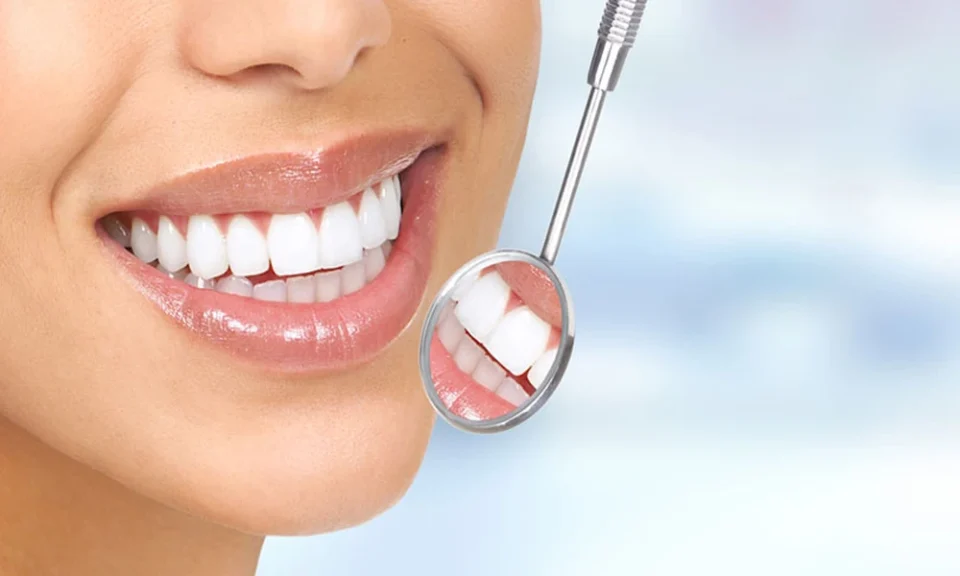
You may have put off asking about whitening, bonding, or straightening because it feels separate from “real” dental care. A lot of people do. They come in for cleanings, fillings, or gum concerns, then stay quiet about the chipped front tooth, the stains that do not lift, or the smile they hide in photos, especially when looking for a dentist in Midtown Manhattan. That split does not reflect how your mouth actually works. Function and appearance live in the same place, and they affect each other every day.
That is why cosmetic dentistry as part of general dental care makes sense. General care protects your teeth and gums from disease. Cosmetic treatment often builds on that foundation by repairing worn enamel, reshaping damaged teeth, closing spaces that trap food, or replacing missing teeth in a way that looks and feels natural. The goal is not vanity. The goal is a healthy mouth you feel comfortable using and showing.
General and cosmetic dentist services often solve the same daily problems
You do not experience your mouth in categories. You experience it when cold water hits a cracked tooth, when food catches between uneven teeth, or when you cover your smile during a meeting. A general and cosmetic dentist looks at the full picture because a small cosmetic concern can point to a bigger oral health issue, and a health issue can change how your smile looks.
A worn edge on a front tooth may seem like an appearance problem. It can also be a sign of grinding. Dark stains may be harmless surface discoloration, or they may sit beside thinning enamel and old dental work that no longer seals well. A missing tooth changes your smile, but it also shifts bite pressure to other teeth, which can lead to wear, cracks, and jaw discomfort over time.
That is where the connection becomes clear. Cosmetic dental care is often the next step after general treatment stabilizes the mouth. You treat decay, control gum disease, improve home care, then restore shape, color, spacing, or alignment in a way that supports long term function.
Oral health and appearance affect each other more than most people think
It is hard to feel confident about cosmetic work if you are worried about cost or whether it is “necessary enough.” That concern is valid. Nobody wants to spend money on something that looks good for a short time but ignores the actual problem. Good treatment planning avoids that mistake.
If your gums bleed during brushing, whitening alone is not the answer. If a chipped tooth happened because your bite is off, smoothing the edge without addressing the pressure may lead to another chip. If crowding makes flossing difficult, straightening can improve both appearance and daily cleaning. According to the CDC’s oral health tips for adults, brushing, flossing, regular dental visits, and risk reduction habits all support the health of teeth and gums. Cosmetic care works best when those basics are already in place.
The reverse is true too. When you like how your teeth look, you often take better care of them. People tend to brush more consistently, keep hygiene visits, and address small issues before they turn into painful and expensive ones. That is not superficial. It is human.
Preventive care creates the base for successful cosmetic treatment
Every lasting smile improvement starts with simple care that protects enamel, gums, and bone. The National Institute of Dental and Craniofacial Research guidance on oral hygiene lays out the basics clearly: brush twice a day with fluoride toothpaste, clean between teeth daily, and keep up with professional exams and cleanings. Those habits matter whether you want a brighter smile or you just want to avoid fillings.
General care also helps your dentist choose the right cosmetic option. A person with healthy gums and stable enamel may be a good candidate for whitening or bonding. Someone with active decay, clenching, or untreated gum disease may need a different sequence. That planning protects your results and your budget.
Professional cosmetic treatment and at home fixes are not equal
It is tempting to try strips, mail order aligners, or internet hacks first. Some at home products can help in limited ways. Others create problems that take more time and money to fix. The difference usually comes down to diagnosis. If no one has checked your enamel, bite, gums, or existing dental work, you are guessing.
| Concern | At home approach | Professional approach |
|---|---|---|
| Whitening | Can reduce mild surface stains, may increase sensitivity, does not address uneven color from fillings or crowns | Customized treatment based on enamel health, stain type, and existing restorations |
| Chipped tooth | Temporary cosmetic cover ups do not restore strength | Bonding or other restoration can rebuild shape and protect the tooth |
| Crooked or crowded teeth | One size products may ignore bite problems and gum health | Alignment planning can improve cleaning access, bite balance, and appearance |
| Bad breath linked to oral issues | Mouthwash may mask odor for a short time | Exam can identify causes such as decay, gum disease, dry mouth, or infection |
If you have ongoing odor, gum irritation, or a bad taste in your mouth, that should be evaluated before any cosmetic work. MedlinePlus explains common causes of bad breath, many of which trace back to oral hygiene, gum problems, dry mouth, or infection. A brighter smile will not solve a health issue that is still active.
Small cosmetic changes can protect teeth, not just improve looks
People often think of veneers and whitening first, but the broader root service mention here is simple: dentistry restores and protects. Bonding can seal a chipped edge before it worsens. Replacing a missing tooth can help stabilize your bite. Reshaping a rough edge can lower the chance of further fracture. Straightening certain teeth can make daily cleaning easier and reduce plaque buildup in hard to reach areas.
This is why many patients find that esthetic dentistry and routine oral care are not competing priorities. One supports the other. You are not choosing between health and appearance. You are often treating both at once.
Three steps to take before choosing cosmetic dental work
Start with a full exam and cleaning. Get clear on the health of your gums, enamel, old fillings, and bite. Cosmetic treatment lasts longer when the mouth is stable first.
List what bothers you and what you want to keep. Maybe you want whiter teeth but do not want a bulky look. Maybe you want straighter teeth but need a budget friendly option. Specific goals lead to better recommendations.
Ask for a phased plan. You do not have to do everything at once. Many people start with hygiene and repair, then move to whitening, bonding, or alignment in steps that fit their timeline and finances.
You do not need to earn the right to talk about your smile by having a perfect mouth first. If something about your teeth affects how you eat, speak, clean, or feel, it belongs in the conversation. Cosmetic dentistry is a natural extension of general care because your mouth does not separate health from appearance, and neither should your treatment plan.
Take the next step by scheduling a visit with a general and cosmetic dentist who can look at the full picture and help you build a plan that protects your oral health and helps you feel at ease when you smile.
