
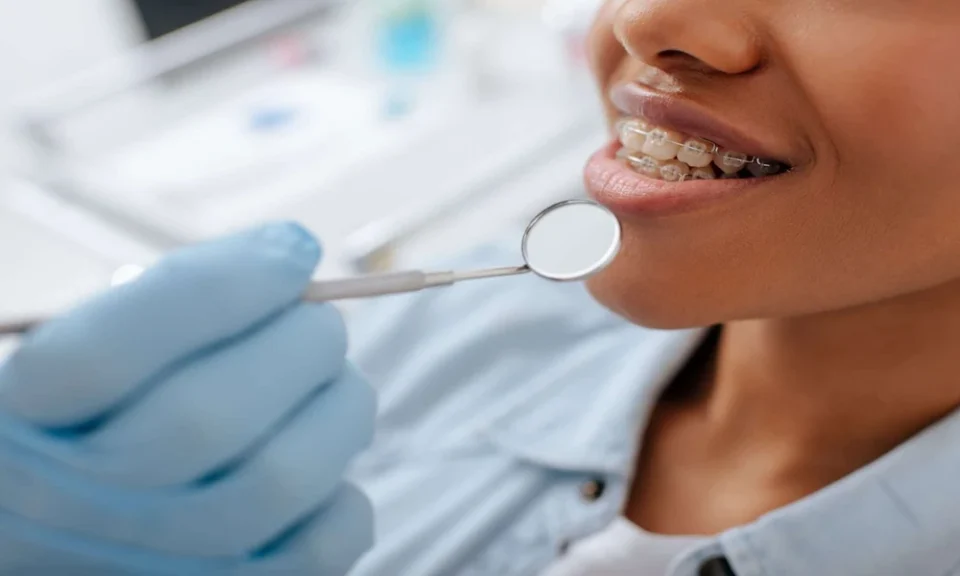
You may be juggling regular cleanings for one child, braces questions for another, and your own dental care somewhere in the middle, especially if you are searching for a dentist in LA. It gets stressful fast. One office focuses on cavities and gum health, another talks about bite alignment and tooth movement, and you are left trying to connect the dots for your family. That is where How General Dentists And Orthodontists Collaborate For Family Care becomes more than a topic. It becomes the reason treatment feels organized instead of scattered.
When a general dentist and orthodontist work together, your family gets more coordinated care. The general dentist watches overall oral health, catches early problems, and keeps routine care on track. The orthodontist steps in when tooth position, bite issues, or jaw development need focused treatment. Together, they help prevent delays, reduce confusion, and make care easier to manage over time.
General Dentist And Orthodontist Collaboration Keeps Family Care Connected
A general dentist is often the first person to notice that a child’s teeth are coming in crowded, that a teen’s bite is off, or that an adult’s shifting teeth are causing wear. That does not mean braces are always next. It means someone is paying attention before a small issue becomes a bigger one.
The orthodontist looks deeper at alignment, spacing, bite function, and jaw growth. The general dentist keeps an eye on decay, gum health, fillings, sealants, and daily hygiene habits. If one works without the other, details can get missed. A child with braces still needs cavity prevention. An adult with gum inflammation may need that managed before tooth movement starts. A patient with recurring plaque around brackets may need more frequent cleanings while treatment continues.
This kind of coordinated dental and orthodontic care matters because teeth do not move in isolation. They sit in bone, connect to gums, affect chewing, and influence speech and comfort. If your child starts orthodontic treatment without a strong hygiene plan, white spots, decay, and swollen gums can follow. If bite issues are ignored during routine dental visits, treatment may start later than it should.
Orthodontic care is often associated with straight teeth, but alignment also affects function. A poor bite can make brushing harder, increase uneven wear, and create strain in the mouth over time. That is why a team approach works so well for families. It is not just cosmetic. It is practical, preventive, and easier to manage when professionals communicate clearly.
Family Dental And Orthodontic Care Often Starts Earlier Than Parents Expect
Many parents assume orthodontic concerns begin in the teen years. Sometimes they do. Sometimes the first signs show up much earlier, with thumb sucking, mouth breathing, crowding, crossbites, or teeth that erupt in unusual positions. That does not always lead to immediate treatment, but it should lead to monitoring.
Children’s oral health guidance supports early dental oversight because development happens in stages, and timing matters. A general dentist may recommend an orthodontic evaluation when the bite suggests a problem that could worsen with growth. In many cases, the best next step is simply observation with regular updates between both providers.
This shared planning also helps adults. You might be considering clear aligners, but your dentist notices bone loss, untreated decay, or a cracked tooth that should be handled first. You save time and money when those issues are addressed before orthodontic treatment begins instead of interrupting it halfway through.
General Dentistry And Orthodontics Each Handle Different Parts Of Treatment
Families often feel unsure about who handles what. That confusion leads to missed appointments, duplicated questions, and treatment delays. The split is usually straightforward once you see it clearly.
| Care Need | General Dentist | Orthodontist |
|---|---|---|
| Routine exams and cleanings | Yes | No |
| Cavity detection and fillings | Yes | No |
| Gum health monitoring | Yes | May note concerns during treatment |
| Bite alignment evaluation | Initial screening | Detailed diagnosis and treatment plan |
| Braces or clear aligners | No | Yes |
| Tracking hygiene during braces | Yes | Yes |
This division of care is why orthodontist and general dentist teamwork helps families so much. One provider does not replace the other. They fill different roles, and your family benefits when those roles stay connected.
Home habits matter too. Braces, aligners, and crowded teeth can all make brushing and flossing harder. The ADA home care recommendations are a good reminder that daily cleaning is part of treatment, not a side note. Straightening teeth without protecting them from plaque is a frustrating tradeoff.
Clear Communication Between Providers Reduces Stress And Missed Care
You feel the difference when providers communicate well. The dentist knows when braces are planned and whether extra cleanings are needed. The orthodontist knows about restorations, gum concerns, missing teeth, or habits that may affect results. Your family gets consistent advice instead of mixed messages.
That matters financially too. If a filling needs to be replaced before aligners begin, handling it early avoids reworking trays later. If retainers are planned after braces, the dentist can monitor wear and fit during future checkups. Small details like these save hassle that families usually do not see coming.
Steps You Can Take Right Away
Schedule routine dental visits on time. Your general dentist often spots orthodontic issues before they become obvious at home. Staying current with exams gives your family a better chance of catching crowding, bite problems, and hygiene concerns early.
Ask for shared treatment notes. If one family member is seeing an orthodontist, make sure the general dentist knows the plan. If the dentist notices decay, gum inflammation, or a loose restoration, ask that information to be shared back. This keeps treatment moving without avoidable setbacks.
Protect home care during orthodontic treatment. Brackets, wires, and aligners need extra attention. Keep up with brushing, flossing, and product recommendations from both providers so treatment improves alignment without harming enamel or gums.
Coordinated Care Makes Family Dentistry Simpler
When your family has both routine dental needs and alignment concerns, it is easy to feel pulled in two directions. You do not need to manage every detail alone. A strong partnership between a general dentist and orthodontist creates a clearer path, with fewer surprises and better support at each stage. If your family is due for routine care or wondering whether orthodontic treatment should be part of the plan, now is a good time to schedule the next visit and get both sides of care working together.
