
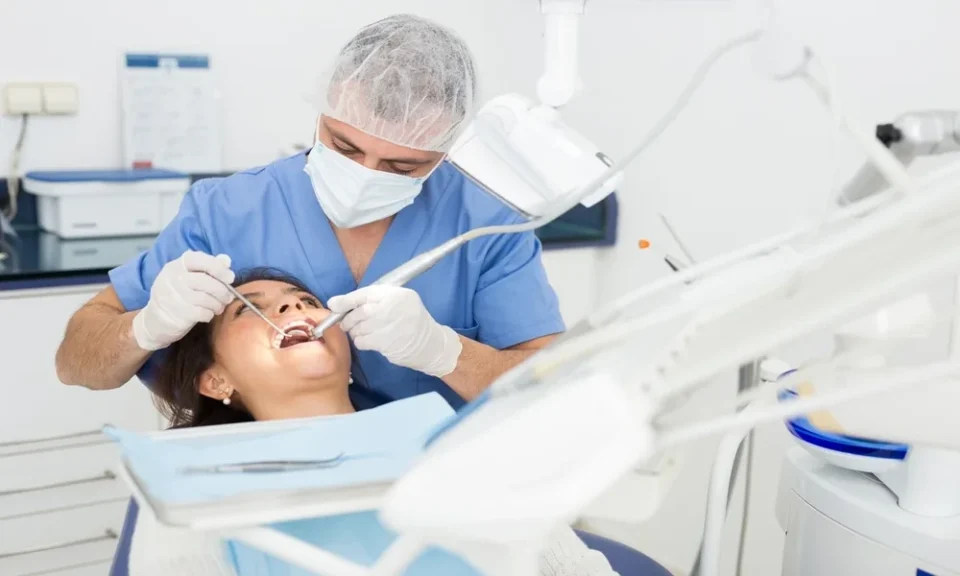
You wanted your smile to look better, and that part makes sense. Maybe you were thinking about whitening, veneers, bonding, or reshaping a tooth that has bothered you for years with a dentist in Plymouth MN. Then something else kept showing up. Your jaw feels tight in the morning. One tooth hits before the others. You catch yourself clenching during the day. The cosmetic issue is still there, but now it feels tied to comfort, chewing, or even headaches.
That is where many people get stuck. A smile can look improved on the surface and still need more support underneath. Cosmetic work and function are not separate worlds. Teeth, bite, jaw joints, and muscles work together all day, and when one part is off, the results can wear down faster or feel wrong from the start. If you are noticing signs that go beyond appearance, a cosmetic update may also need a functional plan.
A cosmetic dental concern can also be a bite and jaw problem
A chip, gap, uneven edge, or worn front tooth can seem like a simple cosmetic issue. Sometimes it is. Sometimes it is the visible result of grinding, clenching, an uneven bite, or stress on certain teeth. If you only change the look without dealing with the force causing the damage, the same problem often comes back.
This is why cosmetic dental work with functional support matters. The goal is not just a nicer shape or color. The goal is a smile that also feels stable when you chew, speak, and wake up in the morning.
Sign 1. Your teeth keep chipping, cracking, or wearing down
If a bonded edge breaks more than once, or a tooth keeps flattening out, there is usually a force issue behind it. You may grind at night or clench without noticing during the day. The National Institute of Dental and Craniofacial Research explains that bruxism can wear down teeth, damage dental work, and strain the jaw. A cosmetic repair can improve the look, but repeated damage often means your bite needs attention too.
Sign 2. Your jaw clicks, aches, or feels tired
You might hear a click when you yawn or feel soreness near your ears after chewing. Some people also get headaches or neck tension and never connect it to their teeth. Jaw joint problems can overlap with bite stress and muscle strain. MedlinePlus notes that temporomandibular disorders can cause pain, clicking, and trouble with jaw movement. If you are planning veneers, bonding, or other smile changes, that jaw strain should not be treated like background noise.
Sign 3. Your bite feels off after dental changes
You know the feeling. One tooth touches first. Your back teeth do not meet evenly. Food chews differently on one side. Even a small bite imbalance can make cosmetic work feel awkward and place extra pressure on certain teeth. That can lead to sensitivity, soreness, and early wear. A cosmetic result that looks good in a mirror still has to work in a real mouth.
Sign 4. You have ongoing tooth sensitivity without a clear cavity
Sensitivity is not always about decay. It can come from enamel wear, gum recession, tiny cracks, or pressure from clenching. If cold drinks suddenly sting, or one tooth feels tender when you bite, a cosmetic fix alone may not solve the source. Covering a worn area can help, but if the pressure pattern stays the same, the discomfort can return.
Sign 5. Your cosmetic concerns are getting worse fast
A small chip becomes multiple chips. Slight wear becomes shortened teeth. A little crowding starts to look more obvious. That kind of change often points to function. Teeth usually do not shift, wear, or break quickly without a reason. You may be dealing with bite collapse, missing support in the back, or years of grinding that finally became visible. In that situation, aesthetic dentistry and function need to be planned together.
Sign 6. You avoid chewing on one side or change how you eat
People adapt without realizing it. You start cutting food smaller. You skip crunchy foods. You chew on one side because the other side feels wrong. That is not just an appearance issue. It is your mouth trying to work around a problem. Cosmetic treatment should not only make you more confident when you smile. It should help your teeth feel dependable again.
Cosmetic fixes last longer when function is part of the plan
The difference is often simple. One approach focuses only on what you see. The other looks at what is causing the damage, discomfort, or instability. That may include checking bite pressure, jaw movement, wear patterns, muscle tension, and whether older dental work is changing how your teeth come together.
| Situation | Cosmetic Only Approach | Cosmetic Plus Functional Approach |
|---|---|---|
| Chipped front tooth | Repair the chip | Repair the chip and assess grinding or bite pressure |
| Worn teeth | Improve shape and color | Restore shape and address clenching, wear, and bite balance |
| Jaw soreness with veneers | Focus on appearance alone | Review jaw symptoms, bite contacts, and muscle strain before treatment |
| Repeated bonding failure | Replace broken bonding each time | Replace bonding and reduce the force causing repeated breakage |
A general and cosmetic dentist can connect the appearance issue to the functional one
This is where a general and cosmetic dentist can be especially helpful. Cosmetic goals matter, but they should be built on a healthy foundation. If your teeth are telling a bigger story through wear, soreness, or bite changes, the right plan should reflect that. You do not need to choose between a smile that looks good and a mouth that works well.
Three steps you can take right now
Track the patterns. Notice when the discomfort shows up. Morning jaw tightness, afternoon headaches, broken dental work, or sensitivity during meals can reveal a functional issue that is easy to miss in a short appointment.
Ask for a bite and wear evaluation. If you are considering veneers, bonding, whitening, or contouring, ask whether your bite, grinding habits, and jaw joints should be checked first. That question can change the whole treatment plan for the better.
Bring up every symptom, even if it seems unrelated. Clicking, ear area soreness, neck tension, and chewing on one side may not feel cosmetic, but they can shape the success of cosmetic care.
The best smile upgrade supports comfort as much as appearance
If your mouth has been sending mixed signals, you are not overthinking it. A cosmetic concern can be the first sign of a deeper functional problem, and catching that early can save you frustration, repeat repairs, and more wear later on. The best result is not just a prettier smile. It is one that holds up in daily life, feels natural, and works the way it should.
If you are thinking about improving your smile, ask for a treatment plan that looks at both appearance and function before moving forward.
