
Key Takeaways
- Herbal treatment for hair loss has limits and does not address inactive follicles or long-term bald areas.
- Prolonged shedding or stable bald patches indicate that topical or oral herbal routines are no longer influencing follicle behaviour.
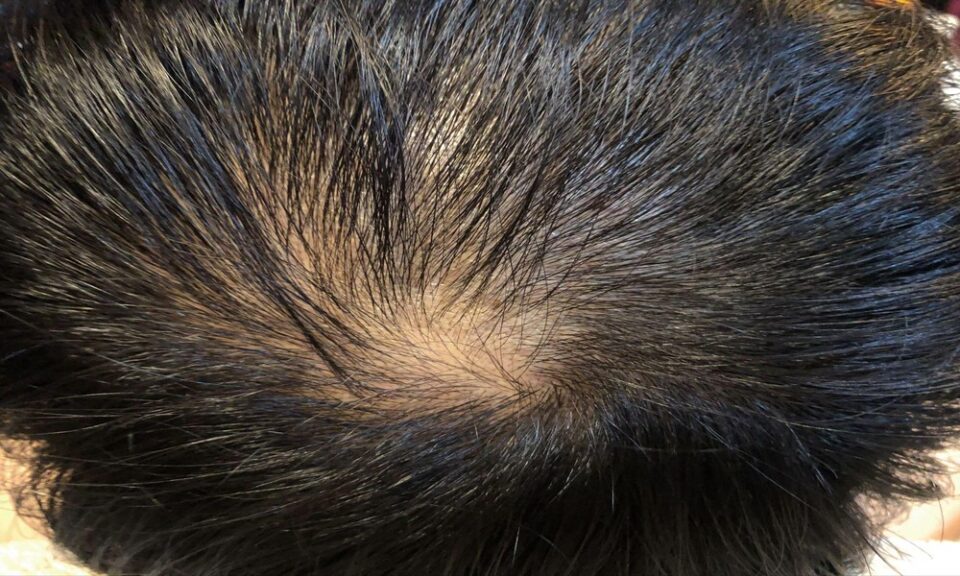
- Visible scalp changes such as shine, smoothness, or reduced pore visibility suggest follicle dormancy that herbal approaches cannot reverse.
- Structured bald scalp treatment approaches rely on assessment, staging, and targeted intervention rather than generalised remedies.
Introduction
Herbal treatment for hair loss is often used as a first response when thinning begins, particularly among individuals who want to avoid pharmaceuticals or procedural interventions. These approaches are typically positioned as supportive scalp care routines rather than corrective treatments for follicle inactivity. Over time, users may continue these routines despite limited response because hair loss is gradual and difficult to track objectively. The problem is not that herbal methods are harmful, but that they are frequently applied beyond the stage where they can produce any meaningful change. Knowing when to stop herbal treatment for hair loss and consider structured bald scalp treatment options prevents prolonged delays, unmanaged progression, and misplaced expectations.
Sign 1: The Bald Area Has Remained Unchanged for 6-12 Months
One clear signal is when a defined bald patch or widened parting remains visually unchanged after sustained use of herbal treatment for hair loss over six to twelve months. Hair growth follows cycles, and even modest interventions typically show some change in density, texture, or coverage within this window if follicles are still active. Once the scalp appearance remains stable, with no fine regrowth or soft vellus hair appearing along the margins, it suggests that follicles in those areas are no longer responsive to surface-level stimulation. At this stage, continuing the same routine often becomes a maintenance habit rather than a strategy with measurable outcomes. Structured bald scalp treatment pathways begin with assessment of follicle viability and pattern of loss, which is not addressed by general herbal regimens.
Sign 2: The Scalp Surface Appears Smooth, Shiny, or Low in Pore Visibility
Another indicator is a visible change in scalp texture. Areas that have transitioned from visible follicle openings to smooth, shiny skin with reduced pore definition often reflect prolonged follicle inactivity or miniaturisation beyond recovery through topical stimulation. Herbal treatment for hair loss is designed to support scalp condition and circulation but does not reactivate follicles that have become dormant or fibrosed. Once the scalp surface changes in this way, it is a sign that intervention needs to move from supportive care to structured bald scalp treatment approaches that assess follicular status, surrounding skin condition, and progression risk. Persisting with surface treatments alone delays more appropriate planning.
Sign 3: Shedding Continues While Density Declines in Target Areas
Ongoing shedding with visible thinning in the same regions indicates that the underlying cause of hair loss is not being addressed by the current routine. Herbal treatment for hair loss does not alter genetic sensitivity, scarring processes, or chronic inflammatory drivers that often underlie progressive baldness. Once shedding patterns remain unchanged and density continues to reduce in specific zones, the issue is no longer about general scalp support but about targeted management of the loss pattern. Structured bald scalp treatment approaches involve staging the hair loss pattern, identifying stability or progression, and selecting interventions that correspond to the current phase rather than repeating generalised remedies.
Sign 4: The Routine Has Become Habitual Without Objective Tracking
Many users continue herbal treatment for hair loss without objective tracking of outcomes. This approach includes not taking standardised photographs, not monitoring changes in part width or crown visibility, and not reassessing scalp condition over time. Once the routine becomes habitual rather than outcome-driven, it signals that decision-making is no longer based on response. Structured bald scalp treatment approaches rely on baseline assessment, periodic review, and defined thresholds for changing strategy. Individuals, without these controls, often remain on ineffective routines for years, during which further follicle loss becomes permanent.
Conclusion
Herbal treatment for hair loss functions as a supportive measure in early or diffuse thinning but has defined limits when applied to established bald areas. Stable bald patches, smooth scalp texture, ongoing shedding with declining density, and the absence of objective tracking are practical signs that it is time to reassess. Structured bald scalp treatment approaches do not promise reversal of long-term baldness but provide a framework for staging, assessment, and targeted management that aligns intervention with the current state of the scalp rather than continuing general routines that no longer influence outcomes.
Visit Bee Choo Origin to set a targeted bald scalp treatment plan based on what your scalp can realistically respond to.
