
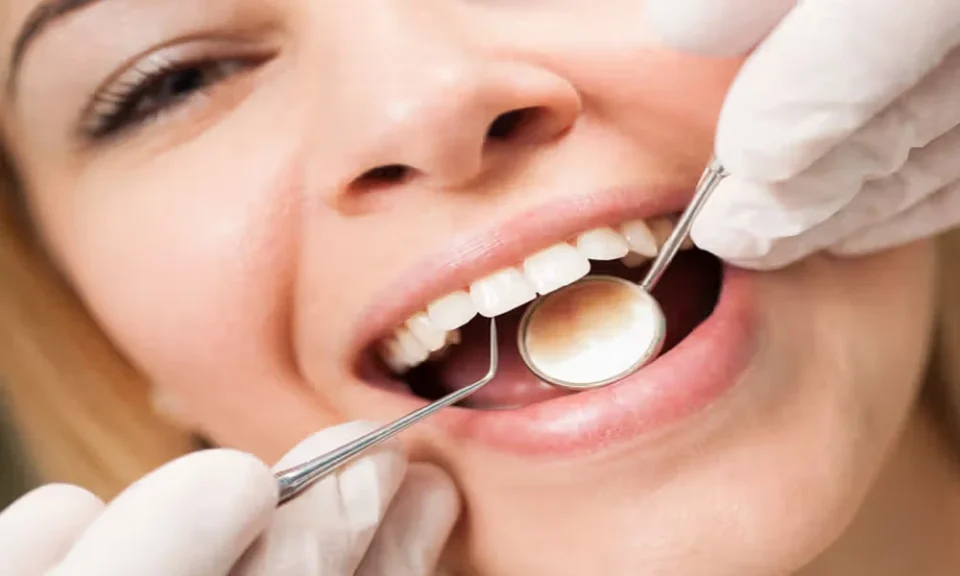
You might be feeling a bit caught in the middle right now. You brush, you floss when you remember, and your teeth do not really hurt, yet the reminder for your next cleaning pops up and you wonder if you can push it off again. Life is busy, money is tight, and the thought of that chair, the scraping sounds, and the lecture you fear you might get is not exactly inviting-but finding a compassionate dentist in Covina can make the experience much more comfortable.
At the same time, you probably know in the back of your mind that skipping cleanings is not harmless. Maybe your gums bleed when you floss. Maybe your breath is not as fresh as you want. Maybe a past surprise cavity made you promise yourself you would “do better next time.” Because of this tension, you might wonder if professional dental cleanings in general dentistry really matter, or if good brushing is enough.
Here is the short version. Regular professional dental cleanings are not just about polish and a quick check. They are one of the most effective ways to prevent gum disease, lower your risk of tooth loss, catch small problems before they become big expenses, and support your overall health. A general dentist uses these visits to remove hardened buildup you simply cannot reach at home, watch for early warning signs, and help you stay ahead of issues instead of chasing them.
So where does that leave you when you are tired, busy, or worried about cost or discomfort, yet you also do not want to wake up one day needing major dental work?
Why do I need cleanings if I brush and floss every day?
It usually starts with good intentions. You buy the soft toothbrush, maybe even an electric one. You try to floss more often. For a while you feel confident, so you push your cleaning out a few months, then a year, then longer. Nothing hurts, so it feels safe.
The challenge is that plaque, the soft film of bacteria on your teeth, hardens into tartar over time. Once that happens, no amount of brushing will remove it. Only professional tools can. Tartar tends to form around the gumline and between teeth. This is exactly where gum disease begins.
Gum disease is extremely common. According to the CDC, almost half of adults aged 30 and older show signs of some form of gum or periodontal disease. Many of these people do not feel pain in the early stages. They see a little bleeding and think it is normal. It is not. Bleeding gums are usually a warning sign.
So the problem is quiet at first. The gums get inflamed. The supporting bone can start to shrink. Teeth can slowly loosen. By the time you feel something is “off,” damage has often already begun. That is the “before” that many people do not notice until they are sitting in a dental chair being told they need deep cleaning, gum treatment, or even extractions.
Once that happens, the emotional and financial strain can be heavy. You might feel frustrated with yourself, embarrassed, or even a little angry that no one told you how serious bleeding gums could be. The cost of treating advanced gum disease or multiple cavities is also much higher than the cost of regular preventive cleanings.
This is where routine care with a general dentist quietly changes the story. A professional cleaning interrupts that process. The hygienist removes plaque and tartar before they have a chance to do long term harm. The dentist checks for cavities, early gum changes, and even signs that might relate to conditions like diabetes or heart disease. You walk out not just with smooth teeth, but with a reset on your oral health.
So if brushing is not enough on its own, and ignoring early signs can lead to bigger problems, what are you supposed to do in a realistic, sustainable way?
What really happens during a professional cleaning, and why does it matter?
A lot of people picture a cleaning as “scrape, polish, done.” In reality, a good general dentistry cleaning visit has several layers, each serving a purpose.
First, the hygienist or dentist reviews your health history and any changes. This matters more than most people realize. Research has linked poor oral health with a higher risk of chronic conditions, and one CDC report has described how people with certain chronic diseases are more likely to have untreated dental problems. You can read more about these connections in this CDC overview on chronic disease and oral health.
Next comes the actual cleaning. They remove plaque and tartar above and sometimes just below the gumline. This is the part you cannot do at home. Even if you are very diligent, tiny areas of buildup remain. Left alone, that buildup irritates the gums and feeds bacteria that damage bone and tissue.
After that, your teeth are polished to clear away surface stains and any remaining film. You might also get a fluoride treatment, which helps strengthen enamel and makes it harder for cavities to form.
Finally, the dentist performs an exam. They look for cavities, worn fillings, cracked teeth, gum pockets, and signs of oral cancer. They may recommend X rays if needed. The goal is to catch issues at the stage where a small filling, a change in home care, or a simple adjustment can prevent more serious treatment later.
This is not about perfection. It is about steady, realistic prevention. According to the CDC’s guidance on oral disease prevention, regular dental visits combined with daily home care and fluoride exposure are some of the most effective tools to protect your mouth.
Because of that, you can think of a professional teeth cleaning as a reset button for your mouth and a safety check for your future health, not just a cosmetic polish.
Is professional cleaning really “worth it” compared to just doing my best at home?
It is fair to ask whether you can simply brush and floss more carefully and skip formal cleanings. Many people try this route to save time or money. To help you see the tradeoffs clearly, here is a comparison between relying on home care alone and pairing it with regular cleanings with a general dentist.
| Factor | Home Care Only | Home Care + Professional Cleanings |
|---|---|---|
| Removal of hardened tartar | Very limited. Toothbrush and floss cannot remove tartar once formed. | Effective removal around and under the gumline using professional tools. |
| Gum disease detection | Often missed until bleeding, swelling, or pain appear. | Early detection through gum measurements and visual exam. |
| Cavity detection | Usually only noticed when pain or sensitivity is advanced. | Small cavities found early, often treated with simple fillings. |
| Cost over 5 to 10 years | May seem lower at first, but higher risk of root canals, crowns, or tooth loss. | Regular smaller costs, often lower overall due to prevention. |
| Comfort and confidence | More worry about hidden problems and bad breath. | Greater peace of mind, fresher breath, and cleaner feel. |
The pattern is clear. Home care is essential, but it is only part of the picture. Cleanings with a general dentist do the work that toothbrushes cannot, and they give you an early warning system for problems that are still small enough to manage.
So, how can you turn this information into simple steps instead of another thing to feel guilty about?
What can you do right now to protect your teeth and gums?
You do not need to overhaul your entire life to get the benefits of general dental care. A few practical steps, repeated over time, can change your path.
1. Schedule your next cleaning and treat it like a non negotiable health appointment
If it has been more than six months since your last visit, choose a date and time that fits your schedule and book it. Many people find that putting these visits on the calendar twice a year, just like a physical or eye exam, helps remove the decision fatigue. If you are anxious, mention that when you schedule. A good dental team will slow down, explain each step, and adjust to your comfort level.
2. Tighten your daily routine in small, realistic ways
Commit to brushing twice a day for two minutes with fluoride toothpaste and flossing at least once a day. If flossing feels overwhelming, start with three or four days per week and build up. Use a simple reminder, like pairing flossing with watching a short video or listening to a song. The goal is consistency, not perfection.
3. Ask your general dentist for a personalized plan
Everyone’s mouth is different. Some people need cleanings every three months because of gum issues or health conditions. Others do well with every six months. During your visit, ask which schedule makes sense for you and why. Also ask what specific areas in your mouth need extra attention at home. A few targeted tips can make your efforts much more effective.
Moving forward with more clarity and less stress
You do not have to wait for pain, swelling, or a broken tooth to take your oral health seriously. Regular professional dental cleanings in general dentistry are a quiet kind of protection. They catch small problems early, help prevent gum disease, and support your overall health in ways you may not feel day to day, but will absolutely notice over the years.
If you have been putting off care, you are not alone, and you are not too late. The most important step is the next one. Reach out to a trusted general dentist, schedule a cleaning, and give yourself permission to ask every question you have. Your future self, with a steady smile and fewer dental emergencies, will be grateful you started now.
