
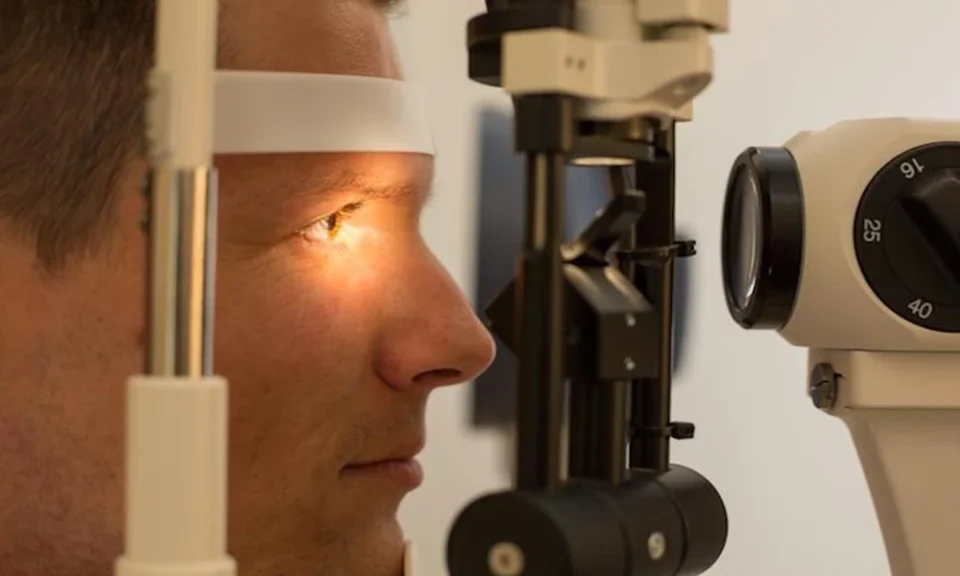
You might be noticing small changes that are easy to brush off at first. Maybe straight lines look a little wavy, maybe you see more floaters than usual, or maybe your vision seems dimmer in one eye and you keep telling yourself it is probably nothing. That uncertainty can sit heavily with you, because when it comes to your sight, even a small symptom can feel big. The reassuring part is that an Eye doctor in McLean often has ways to spot trouble before major vision loss happens, and early testing can make treatment decisions clearer and more effective.
How eye doctors identify retinal disorders early often comes down to a mix of careful listening, a full eye exam, and imaging that shows what is happening at the back of the eye. The retina is the light sensitive tissue that sends visual signals to the brain. When it is affected by conditions like diabetic retinopathy, retinal tears, or macular problems, symptoms may be subtle at first. Because of that, early checkups matter, especially if you have diabetes, a family history of eye disease, or sudden changes in vision.
Why are early signs of retinal disease so easy to miss?
That is part of what makes retinal problems unsettling. Many people expect serious eye disease to be painful or obvious, but that is not always how it starts. Some retinal conditions develop quietly. You may still be driving, reading, and working, even while the retina is under stress. Then one day, the changes become harder to ignore.
An eye doctor looks for patterns you may not be able to see on your own. During a dilated eye exam, the doctor uses special drops to widen your pupils and examine the retina more fully. This can help reveal bleeding, swelling, tears, thinning, or changes in the macula, which is the part of the retina responsible for sharp central vision. For a broad overview of retinal disorders and their causes, it helps to understand how many different conditions can affect this delicate tissue.
So, where does that leave you if your vision feels mostly normal? It means normal day to day sight does not always rule out a problem. That is why regular visits with an eye doctor for retinal screening can be so important, especially for adults with higher risk factors.
What tools does an eye doctor use to catch retinal problems early?
Early detection is not based on one single test. It is usually a step by step process, shaped by your symptoms, age, health history, and what the doctor sees during the exam.
A standard vision test may show whether your eyesight has changed, but it does not tell the whole story. A dilated retinal exam allows the doctor to look directly at the back of the eye. Retinal photography can capture images for closer review and comparison over time. Optical coherence tomography, often called OCT, creates detailed cross section images of the retina, which helps detect swelling, fluid, or thinning that may not be visible during a routine look.
If you have diabetes, the exam becomes even more important. High blood sugar can damage the small blood vessels in the retina long before vision loss is obvious. You can learn more about diabetic eye problems and warning signs, including why regular screening matters even when your eyes seem fine.
In some cases, the doctor may also use fluorescein angiography, ultrasound, or pressure testing, depending on what they suspect. The goal is simple. Find changes early, track them carefully, and decide whether monitoring or treatment is needed.
What happens if you wait too long to have your retina checked?
This is the part many people wrestle with. It is easy to delay an appointment when life is busy, money is tight, or symptoms come and go. But retinal disorders can move from manageable to urgent faster than expected. A small tear can become a detachment. Mild diabetic damage can progress to bleeding or swelling. Macular disease can begin to affect reading and facial recognition before you fully realize what is happening.
Waiting can also limit your options. When a problem is found early, treatment may be less invasive, and the chance of protecting vision is often better. When it is found late, the focus may shift from prevention to damage control. That can affect not just your health, but also your work, independence, and peace of mind.
How does professional retinal screening compare with waiting for symptoms?
| Approach | What It Looks Like | Main Benefit | Main Risk |
|---|---|---|---|
| Regular eye exam with dilation | Scheduled visits, imaging, monitoring over time | Can catch retinal changes before major vision loss | May require time, cost, and follow up visits |
| Waiting until symptoms worsen | Seeking care only after blurred vision, flashes, floaters, or dark areas appear | No immediate appointment or testing | Condition may progress before treatment begins |
| Home observation only | Watching for changes in vision without an exam | Can help you notice new symptoms | Cannot show silent retinal damage or early vessel changes |
The key point is that symptoms are only one piece of the picture. early retinal disease detection often depends on what can be seen through professional imaging and examination, not just on what you feel day to day.
What can you do right now if you are worried about retinal damage?
1. Pay attention to sudden vision changes.
If you notice flashes of light, a burst of new floaters, a curtain like shadow, distorted lines, or sudden blurred vision, do not wait to see if it passes. Those symptoms can point to a retinal tear, detachment, or swelling that needs prompt care.
2. Know your personal risk factors.
Diabetes, high blood pressure, aging, eye injury, severe nearsightedness, and family history all matter. If any of these apply to you, bring them up during your next visit. An eye doctor can decide whether you need more frequent retinal monitoring.
3. Keep routine eye exams on your calendar.
This sounds simple, but it is one of the most protective steps you can take. A regular retinal exam creates a baseline, and that makes it easier to spot small changes early. If your doctor recommends imaging or follow up, try to treat it as part of preserving daily life, not just another appointment.
When should you stop wondering and schedule an eye doctor visit?
If your vision has changed, if you have diabetes, or if you have not had a dilated exam in a while, this is a good time to act. Retinal conditions are not always loud at the beginning, which is exactly why early attention matters. The sooner an eye doctor evaluates what is going on, the sooner you can move from uncertainty to a clear plan.
Your sight supports nearly every part of your day, and it deserves care before a problem becomes harder to treat. If you have concerns about symptoms or risk factors, schedule a visit with an eye doctor and ask whether a retinal exam is right for you.
