
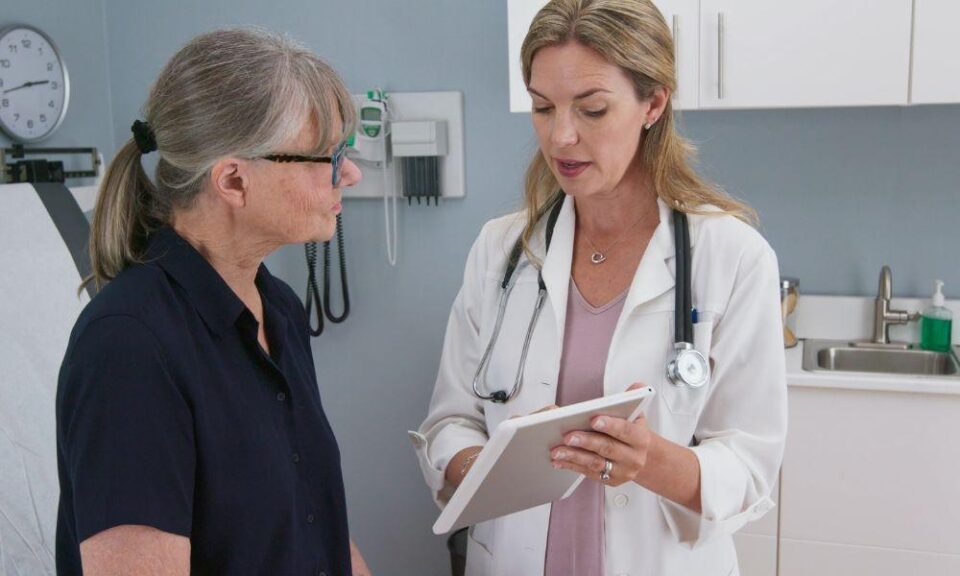
Urgent care centers have grown to be a vital component of the healthcare system nowadays, as they serve to link primary care clinics and hospital emergency rooms. One of the numerous models that exists today is the full spectrum urgent care, which can be described as a setting where the medical staff is capable of identifying and treating a wider variety of acute medical conditions as compared to a standard clinic; however, it still functions outside the hospital’s emergency department. Knowing how this kind of urgent care is different from a traditional clinic can be very helpful for patients to decide when facing medical situations that are time-sensitive.
What Is Comprehensive Urgent Care?
Comprehensive urgent care includes places that are prepared for not only minor illnesses but also more serious, though not life-threatening, emergencies. Such centers usually have long opening hours, for example, they are open in the evenings, weekends, and holidays as well, and their personnel consists of professionally trained medical practitioners who specialize in emergencies and acute care. Comprehensive urgent care facilities, unlike simple walk-in clinics, generally are able to use advanced diagnostic instruments like X-rays, Electrocardiograms (ECGs), laboratory testing, and even treatment facilities that are on the same site. Hence, medical professionals can interpret findings, arrive at diagnoses more quickly, and provide treatments all in one patient visit.
How Does It Differ From a Traditional Clinic?
A conventional clinic, primary care offices, and retail clinics, in general, can be seen as facilities oriented to preventive care and promotion of healthy habits. These clinics emphasize health services like annual physicals, disease control, vaccination, and treatment of mild diseases such as the common cold and minor infections. Most of the time, patients are asked to schedule their appointments ahead of time, and the clinic hours are usually limited to weekdays.
On the other hand, comprehensive urgent care facilities are designed to provide services for symptoms that occur suddenly or worsen and thus require immediate attention. Moderate injuries, broken bones, chest pain, very high fever, dehydration, or extreme pain are some of the conditions that are more likely to be diagnosed and treated efficiently in an urgent care center that has a wider range of clinical capabilities. The point is not to offer long-term care, but to provide a quick evaluation and stabilization.
Diagnostic and Treatment Capabilities
One of the major differences is the diagnostic ability. A traditional clinic may send the patient’s samples to a lab or imaging center outside for tests, which may delay the start of treatment. On the other hand, a fully equipped urgent care facility will have testing done right there, which means the doctor can get the results immediately and change the treatment if necessary.
There is also a tendency for treatment to be more extensive in terms of scope. Such procedures as wound suturing, splinting, IV fluids, and urgent medication administration are routinely available. With this degree of care, patients can get the right medical treatment quickly without having to go through the long waiting times of emergency rooms.
Role in the Healthcare System
Comprehensive urgent care reduces the burden on hospital emergency departments. By quickly and effectively handling non, life, threatening emergencies, these centers play their part in keeping the emergency rooms available for critical and life-threatening conditions. They also offer a solution for patients who are in need of a doctor, but their primary care physician is not available at that time. Nevertheless, they are not a substitute for primary care in the long run or hospital-based emergency services. Hence, they operate as a complementary option within the healthcare continuum.
When Each Option Is Appropriate
In deciding whether to go to a clinic or an urgent care center, a lot depends on how severe and urgent the symptoms are. Primary care clinics are most suitable for routine health issues and preventive care. Comprehensive urgent care centers offer many diagnostic and treatment services, making them well-suited for sudden injuries, short-term illnesses, or symptoms that require prompt assessment but are not life-threatening. For any life-threatening condition, such as stroke symptoms, major trauma, or difficulty in breathing, a hospital emergency room is the only place to go.
Conclusion
With healthcare becoming more complex, full spectrum urgent care is the best alternative for cases of acute medical concerns of almost all sorts. They differentiate themselves from regular clinics not only by their purpose but also by their capabilities, such as offering extended hours, advanced diagnostics, and immediate treatment. Knowing these differences helps patients decide on the appropriate care setting, which in turn facilitates timely treatment and efficient use of healthcare resources.
