
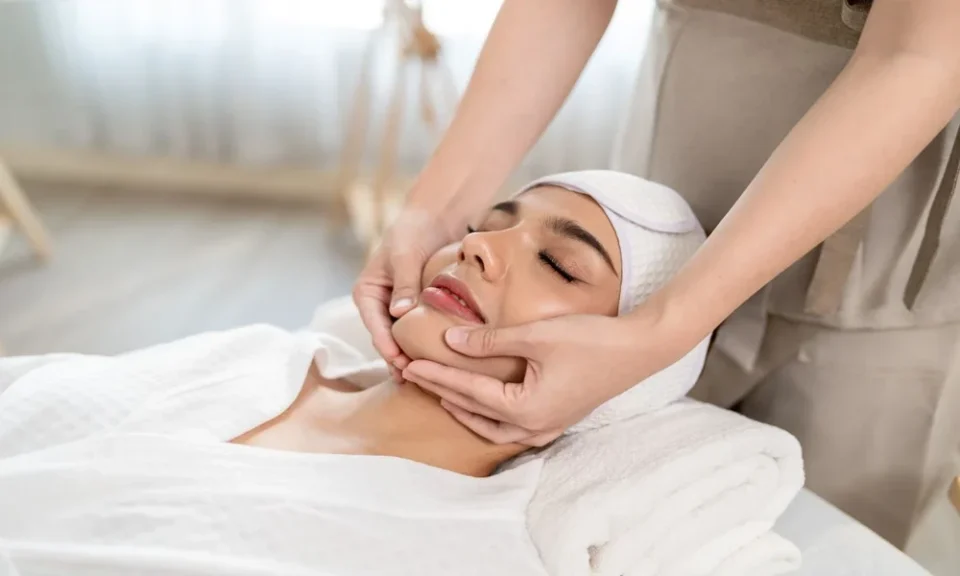
The conversation around aesthetic treatments has shifted noticeably in recent years. Where cosmetic procedures were once treated as a secret, they are now discussed as openly as a haircut or a gym membership – part of a broader, more ordinary approach to self-care. Nowhere is that shift clearer than in London, where the city’s aesthetic clinics have moved away from chasing dramatic transformations and towards something more subtle: looking like a well-rested, healthier version of yourself.
The move away from ‘overdone’
For a long time, aesthetic treatments carried a stigma partly because the results were often obvious – overfilled lips, frozen expressions, or a face that looked visibly ‘done’. That reputation is fading, and quickly. The clinics setting the standard today are the ones producing results that colleagues and friends notice as ‘you look well’ rather than ‘what did you get done’. This has become such a defining feature of quality that when people search for the best aesthetic clinic in London, subtlety and natural results are now among the top things they are looking for, alongside safety and practitioner credentials.
Doctor-led care is becoming the expectation, not the exception
A few years ago, it was common for injectable treatments to be delivered by beauticians with minimal formal training. That is changing as clients become more aware of the risks involved and more selective about who they trust with their face. Clinics led by qualified doctors – often with backgrounds in NHS medicine before moving into aesthetics – are increasingly the ones building long-term reputations in a crowded market, precisely because they combine clinical judgement with an artistic eye rather than treating every client with the same template.
Technology has genuinely moved on
2026’s aesthetic landscape looks quite different from even five years ago. Biostimulator treatments – which work by encouraging the skin to produce its own collagen rather than simply adding volume – have become mainstream options rather than niche add-ons. Devices offering non-surgical skin tightening have also matured considerably, giving people a genuine middle ground between doing nothing and considering surgery. This has expanded who aesthetic clinics serve: not just people chasing a dramatic change, but those simply wanting to slow down visible signs of ageing with minimal downtime.
Discretion and comfort are part of the offering
As demand has grown, so has the expectation around the client experience itself. Many people book aesthetic treatments around busy careers and want to be in and out without their day being disrupted, while others want time to properly discuss their concerns without feeling rushed. The strongest clinics in the capital have built their entire approach around this balance – efficient enough for a lunch-hour visit, but never at the expense of a proper consultation.
This is part of why a London aesthetic clinic like Dr L’Art, based in Holborn, has built its reputation around a doctor-led, unhurried approach – treating each consultation as a genuine clinical assessment rather than a quick upsell, which is increasingly what sets apart the clinics people return to.
Men are a growing part of the conversation
One of the more notable shifts in London’s aesthetics scene is the rising number of male clients. Treatments focused on jawline definition, skin quality, and early prevention of fine lines are increasingly marketed – and sought out – by men who previously would not have considered aesthetic treatment at all. This has pushed clinics to diversify their consultations and treatment plans rather than assuming a one-size-fits-all female client base.
What this means if you are considering treatment
If you are exploring options among London’s aesthetic clinics for the first time, the current landscape actually works in your favour. There is more transparency around pricing, more emphasis on natural results, and more scrutiny on practitioner qualifications than there has ever been. Take advantage of that: compare consultations, ask about the practitioner’s medical background, and prioritise clinics that talk you through a plan rather than a single treatment.
Before booking anywhere, it is worth comparing treatment prices across a shortlist of clinics, since transparent, itemised pricing is one of the clearest signs of a practice that has nothing to hide.
Looking ahead
As the stigma around aesthetic treatment continues to fade, the clinics thriving in London are the ones treating it as genuine healthcare rather than a purely cosmetic transaction. That shift – towards medical rigour, natural outcomes, and honest consultations – is likely to keep defining what ‘the best’ actually means in this industry over the next few years.
Author bio (edit as needed): A contributing writer covering beauty, wellness, and the evolving aesthetics industry across London.
